
The classic car market operates on a principle that nobody talks about openly: nostalgia is the most powerful pricing mechanism in existence. Cars don't become valuable because they're objectively better than other cars. They become valuable because the people with money remember wanting them.
For the past twenty years, that meant air-cooled Porsches, Ferrari Daytonas, and Mercedes 300 SLs. The generation with disposable income — baby boomers and early Gen X — grew up with these cars on their bedroom walls. When they finally had the money, they bought the poster.
Cars don't become valuable because they're objectively better. They become valuable because the people with money remember wanting them.
The Generational Shift
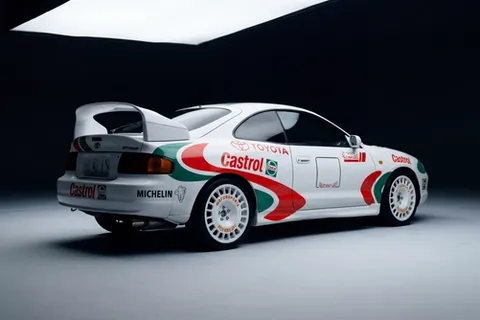
But here's the thing about generational wealth: it moves. The millennials who grew up watching Initial D and playing Gran Turismo are now in their mid-thirties to early forties. They're entering their peak earning years. And their dream cars aren't 1960s Ferraris. Their dream cars are 1990s Nissan Skylines, Mitsubishi Evos, Toyota Supras, and E36 M3s.
The numbers are already showing this. A clean R34 Skyline GT-R has gone from €50,000 in 2018 to over €250,000 in 2025. A Mitsubishi Evo VI Tommi Mäkinen Edition has tripled. Even the humble NA Mazda MX-5 has climbed past €15,000 for good examples. These aren't anomalies. This is a trend.
Meanwhile, the blue-chip classics are plateauing. Ferrari 250 GTOs still sell for astronomical sums, but the rate of appreciation has slowed dramatically. The buyer pool for a $70 million car is inherently limited, and the generation that drove those prices isn't getting younger.
My advice: look at what the thirty-five-year-olds with new tech money are talking about on Instagram and YouTube. Look at what gets the most engagement, the most heated comment sections, the most emotional responses. That's where the market is going.
Look at what the thirty-five-year-olds with new tech money are talking about on Instagram. That's where the market is going.
The smart money is already moving. The question is whether you'll follow it, or whether you'll be the last person paying a premium for a car that the next generation of buyers associates with their grandfather's garage.